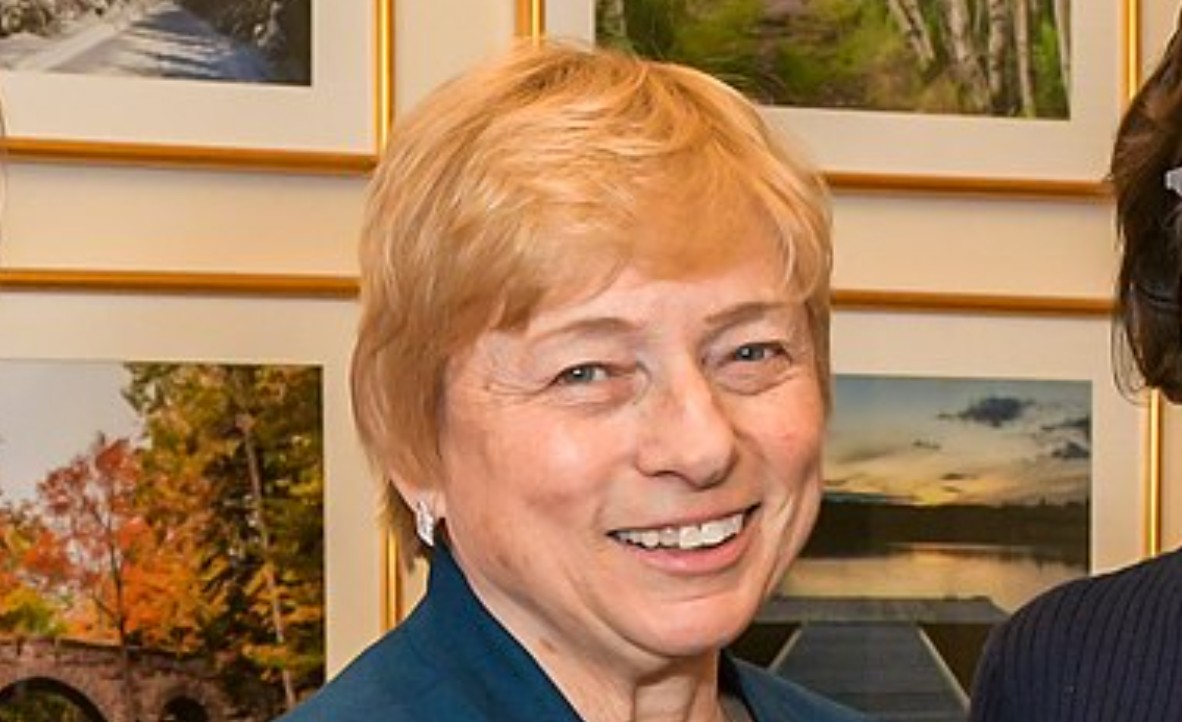
When Maine Governor Janet Mills officially entered the Senate race in October, her opponent Graham Platner had already built significant traction—drawing sizable crowds and bringing in strong fundraising numbers.
At 77, Mills launched her campaign during a moment when many Democrats were pushing for younger leadership. Still, her allies—including Senate Minority Leader Chuck Schumer—believed she had a strong path forward. They pointed to her statewide recognition, backing from top Democratic figures, and a well-prepared opposition strategy targeting Platner.
Those expectations didn’t hold. On Thursday, weeks before the June 9 primary, Mills ended her campaign.
While she cited fundraising challenges, her exit also underscored a broader shift within the Democratic Party. Increasingly, voters appear to favor outsider candidates who promise a more forceful approach against former President Donald Trump over experienced political figures.
Platner responded respectfully, praising Mills’ years of public service and their shared goal of defeating Republican Senator Susan Collins. However, his supporters were visibly energized by the outcome, celebrating what many saw as an unlikely victory.
State Representative Valli Geiger expressed excitement at a joint appearance with Platner, emphasizing that the result reflected changing political possibilities rather than simply Mills’ withdrawal.
A High-Stakes Race in Maine
Democrats face a difficult path to reclaiming the Senate majority, and Maine has long been considered a key battleground. Collins is seeking a sixth term in a state where Trump has repeatedly lost, including by a notable margin in 2024.
Despite that, Collins has proven resilient in past elections. Mills’ supporters believed her experience and reputation positioned her well to challenge the incumbent.
Platner, however, offered a starkly different profile. A younger candidate, military veteran, and oyster farmer, he campaigned on economic inequality, opposition to foreign conflicts, and the need for new Democratic leadership. His message gained early validation from prominent figures like Bernie Sanders, who warned that a divisive primary could hurt Democratic chances.
Party Divisions and Strategic Questions
The race also reignited internal debate about how much influence party leadership should have in primaries. Representative Alexandria Ocasio-Cortez suggested that Democrats could learn from Platner’s campaign style, particularly his emphasis on direct voter engagement—an approach similar to her own 2018 upset victory.
Controversies and Campaign Struggles
Platner’s rise was not without complications. After Mills entered the race, reports surfaced about past social media posts in which he made offensive remarks. These included criticism of police and controversial statements about rural Americans. Platner later distanced himself from those comments, saying they no longer reflected his views.
He also faced scrutiny over a tattoo resembling a Nazi symbol, which he said he regretted and had since covered.
Mills initially refrained from endorsing Platner after exiting the race, stating she would continue supporting Democratic candidates while observing how he earns voter trust.
Why Mills Fell Behind
Soon after launching her campaign, Mills attempted to address concerns about her age by pledging to serve only one term. Still, she struggled to match Platner’s momentum.
Fundraising gaps widened—Platner raised $4.1 million compared to Mills’ $2.7 million in the first quarter. Polling also showed a significant deficit, with Platner holding a commanding lead.
In March, Mills attempted to reset the race with a series of attack ads highlighting Platner’s past online comments. One ad featured women reacting to statements he made about sensitive issues, expressing outrage.
Platner countered with a direct appeal, asking voters not to judge him solely based on past online remarks made years earlier.
Despite these efforts, his support remained strong. By April, many observers viewed his lead as difficult to overcome.
A planned fundraising event in Washington, D.C., was canceled, and doubts grew about Mills’ ability to recover. She ultimately decided to suspend her campaign midweek.
In her announcement, Mills said she still had the determination to continue but lacked the financial means. Platner later said he reached out to thank her for her service.
A Setback for Party Leadership
Mills’ withdrawal represents a rare misstep for Schumer and the Democratic Senatorial Campaign Committee. While they’ve successfully recruited candidates in other key states, Democrats still need to gain four seats to secure Senate control.
Schumer avoided directly addressing whether backing Mills was a mistake, instead expressing confidence in winning both Maine and the broader Senate battle.
Platner has previously criticized Schumer’s leadership, arguing that Democrats need a more urgent and aggressive strategy against Trump.
Following Mills’ exit, Schumer and Senator Kirsten Gillibrand signaled their support for Platner, acknowledging him as the likely nominee against Collins.
Republican Reaction
Republicans quickly seized on the development, highlighting Platner’s progressive positions and past controversies. Senator Tim Scott criticized Democrats for backing a candidate he described as too extreme for Maine.
Collins, however, took a more measured approach. She declined to comment on Platner directly, instead thanking Mills for her long service and acknowledging the difficulty of her decision.
When pressed about the general election, Collins avoided speculation, stating she would not offer commentary on the race at this stage.